
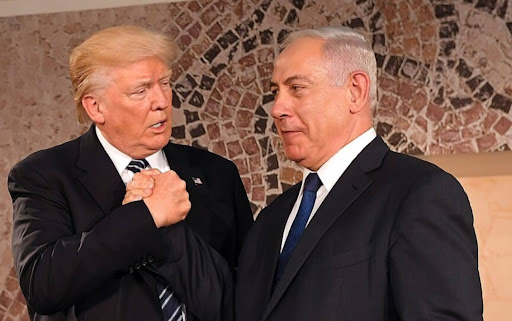
Military strategists use the concept of an “escalation ladder” — a range of potential actions from low-level operations to catastrophic conflict — to assess where a conflict is and where it might go. The Trump-Netanyahu campaign against Iran sits at a specific point on that ladder, and understanding where it is positioned helps evaluate the South Pars episode and what it implies for future escalation dynamics driven by the diverging strategies of both leaders.
The current campaign is operating at a significant level of escalation — major strikes on a sovereign nation’s military and economic infrastructure, assassination of political and military figures, regional retaliation affecting multiple countries. This is not low-intensity conflict; it is a sustained, high-intensity military campaign against a regional power. The question is whether the current level represents a stable operating point or a step toward higher escalation.
Netanyahu’s comprehensive degradation strategy implies continued escalation. If the goal is to fundamentally weaken the Iranian state, the logical next steps from South Pars involve other categories of economic infrastructure, additional leadership targets, and potentially operations that affect the Iranian population more directly. Each of these steps moves the conflict up the escalation ladder — toward a higher level of intensity with correspondingly higher risks of Iranian responses that affect the broader region.
Trump’s nuclear containment strategy implies a different position on the ladder — one that is already at a high level of escalation against specific capabilities but that is not designed to continue climbing. Trump’s objection to South Pars was partly an objection to escalation that moves the conflict toward the ladder’s higher rungs — toward a comprehensive state assault that risks responses the alliance might find difficult to manage.
Director of National Intelligence Gabbard confirmed different objectives. Different objectives imply different positions on the escalation ladder. Netanyahu is positioned to continue climbing; Trump is positioned to hold. The gap between those positions generates exactly the kind of friction visible at South Pars — and will generate more as the conflict continues.