
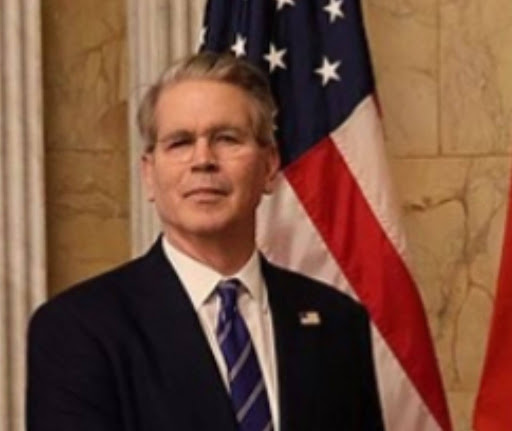
The United States may be on the verge of removing sanctions on millions of barrels of Iranian oil currently stranded on tankers at sea, according to Treasury Secretary Scott Bessent. Speaking on a financial news program Thursday, Bessent outlined the plan as part of Washington’s broader strategy to stabilize global oil prices, which have surged dramatically following Iran’s closure of the Strait of Hormuz.
Bessent confirmed that approximately 140 million barrels of Iranian crude are currently floating on tankers, oil that had previously been routed toward China. By freeing this oil for sale on global markets, the administration believes it can temporarily suppress prices and reduce pressure on consumers and economies worldwide that depend heavily on oil imports through the strait.
The Treasury has previously taken a comparable step with Russian oil, issuing a temporary waiver that allowed sanctioned Russian crude stranded at sea to be sold, adding an estimated 130 million barrels to global supplies. A source familiar with the Treasury’s planning indicated that a similar waiver mechanism could be used for Iranian oil, confined to a narrow time window to limit broader policy implications.
Bessent was careful to draw a distinction between financial market intervention and physical supply management, stating clearly that the administration has no intention of entering oil futures markets. He also confirmed plans for a unilateral release from the Strategic Petroleum Reserve, going beyond last week’s coordinated G7 release of 400 million barrels, in an effort to fill the supply gap caused by the Hormuz closure.
Despite the administration’s confidence in the plan, energy and sanctions experts voiced serious skepticism. David Tannenbaum of Blackstone Compliance Services called the proposal “bananas,” warning that it could effectively fund Iran’s war operations. Alex Zerden of Capitol Peak Strategies echoed similar concerns, saying the measure would not provide markets with lasting reassurance and could ultimately strengthen the Iranian regime financially.