
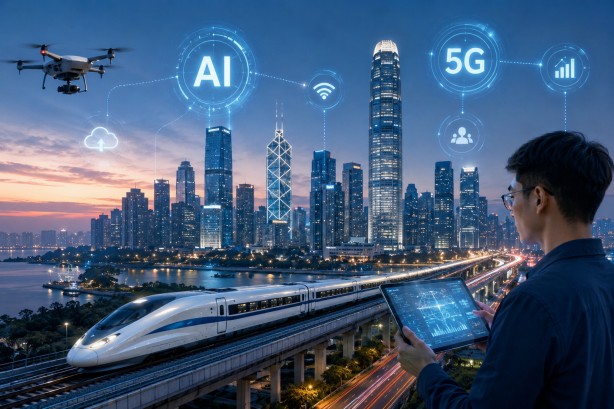
China is making significant strides in the expansion of its digital economy, emphasizing the integration of artificial intelligence, the enhancement of digital infrastructure, and the application of smart technologies across various sectors, including public services. By 2025, the digital economy is projected to have reached 49 trillion yuan ($7.22 trillion), accounting for about 35% of the nation’s GDP. Furthermore, core digital industries are expected to contribute more than 10.5% to the GDP, highlighting the sector’s growing importance.
Looking ahead, China’s 15th Five-Year Plan, spanning from 2026 to 2030, outlines ambitious goals to further advance AI applications, bolster data security measures, enhance digital governance frameworks, and foster international collaboration. These strategic objectives aim to solidify China’s position as a leader in the global digital landscape while ensuring sustainable growth and security in its digital endeavors.
Urban centers such as Beijing are at the forefront of this digital transformation, showcasing innovative applications of technology that are reshaping economic growth and public service delivery. Initiatives like internet hospitals, AI-driven traffic management systems, shared medical imaging platforms, and intelligent utility networks are becoming increasingly prevalent. These advancements demonstrate the tangible benefits of digital technologies in improving both the economy and the daily lives of citizens.
The emphasis on digital advancement reflects a broader commitment to integrating cutting-edge technology into the fabric of society and the economy. By prioritizing these developments, China is not only boosting its economic prospects but also setting a benchmark for how technology can enhance urban living and streamline public services.