
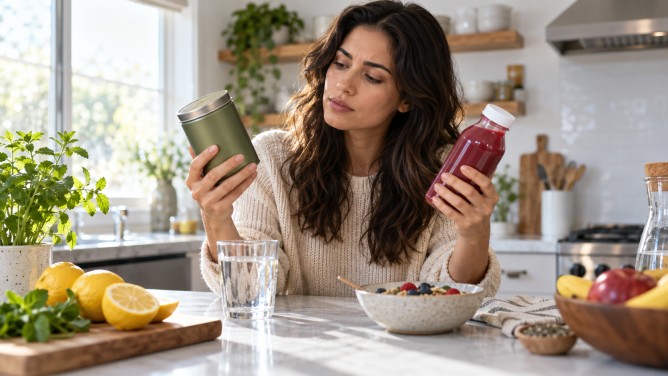
Wellness trends are gaining popularity online, promising benefits like better digestion, glowing skin, and increased energy. However, while many of these practices might appear appealing, they are not always safe or effective for everyone without proper guidance. Here is a closer look at some popular wellness trends that require caution.
Oil pulling, which involves moving edible oil around the mouth, is believed by some to improve gum health and whiten teeth. However, its scientific backing is limited, and forceful swishing can strain jaw muscles, especially for those with jaw joint issues. Similarly, detox teas, often marketed for improving digestion and weight loss, may contain laxatives like senna. Regular use without guidance can lead to dehydration and electrolyte imbalances.
Intensive cleansing programs, such as Panchakarma from Ayurveda, are sometimes mimicked at home through fasting or unsupervised enemas. These can pose risks, especially when involving dehydration or inadequate nutrition. Forcing oneself to drink excessive water can result in hyponatremia, a dangerous condition caused by diluted sodium levels in the blood. Instead, individuals are advised to drink according to thirst throughout the day.
Dry brushing, used in hopes of smoothing skin or improving circulation, can irritate the skin if done aggressively. High-dose herbal supplements like turmeric or ashwagandha can interact with medications and cause side effects. Ghee, promoted for energy and weight loss when added to cold drinks, lacks scientific evidence for these claims and can increase calorie intake.
Before adopting any new wellness practice, it’s crucial to evaluate the supporting evidence and potential risks. Extreme fasting, excessive fluid intake, and unsupervised cleansing should be avoided. Sustainable habits, such as balanced meals and regular exercise, are more reliable for long-term health. Consulting healthcare professionals, especially when symptoms persist or when a wellness practice may impact existing health conditions, is essential.
While traditional wellness practices can hold cultural value, they should not be seen as one-size-fits-all solutions. A safe and effective wellness routine should align with individual needs and not substitute necessary medical or dental care.