
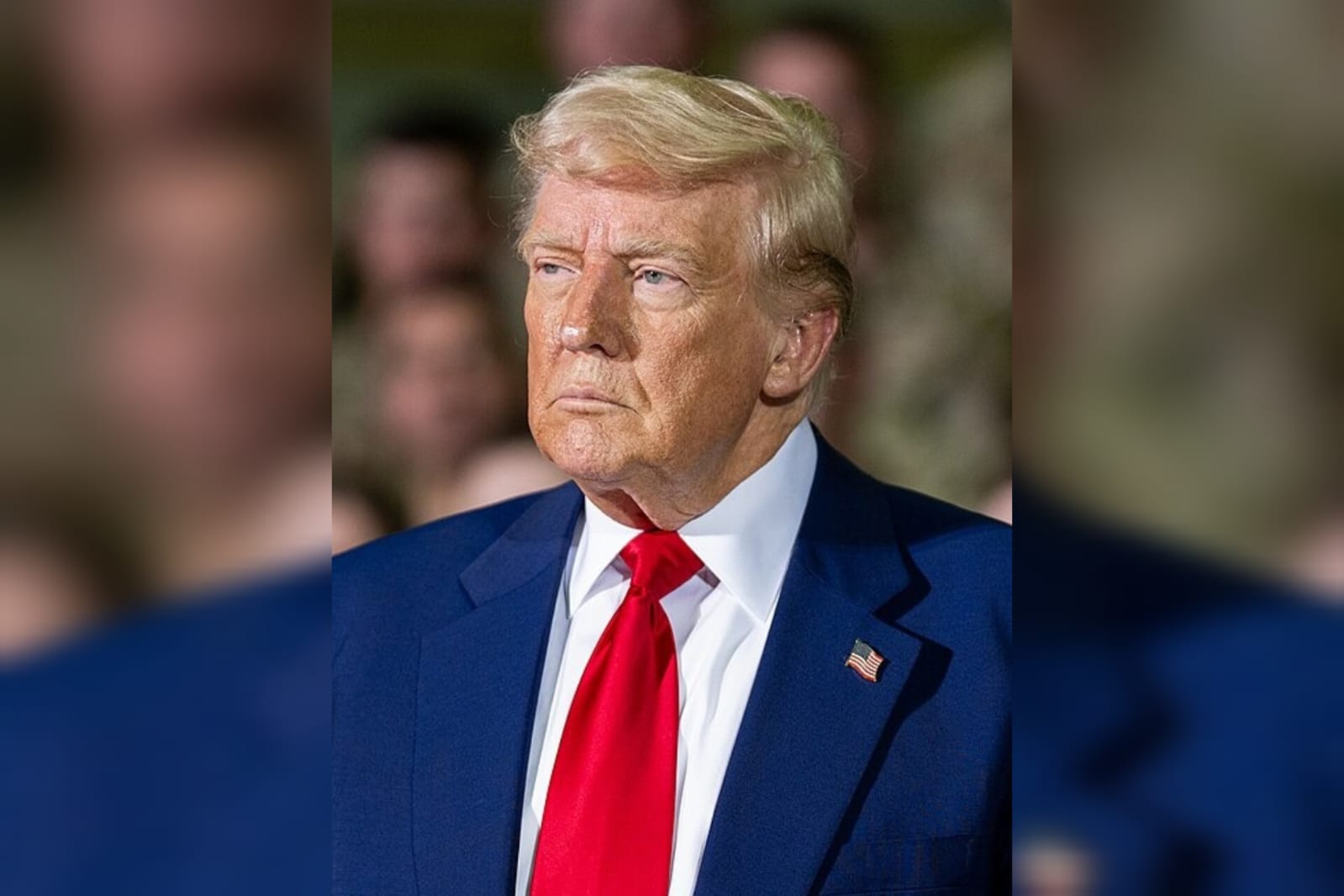
In a move hailed as a significant diplomatic advancement, U.S. President Donald Trump and Iranian President Masoud Pezeshkian have signed a 14-point agreement aimed at easing tensions and preventing a potential global economic crisis. Central to the agreement is the reopening of the Strait of Hormuz, a crucial channel for oil shipments worldwide. This marks the beginning of a 60-day negotiation period intended to pave the way for a comprehensive and enduring settlement.
The accord stipulates that Iran will reopen the strategic waterway and enter discussions concerning its nuclear program. In exchange, the United States has agreed to alleviate specific sanctions, permit Iranian oil exports, and unfreeze billions of dollars in Iranian assets. The agreement also outlines broader economic measures intended to aid in the recovery of Iran’s economy. Additionally, the deal includes provisions for Iran to reduce its stockpile of highly enriched uranium under international oversight.
President Trump has defended the agreement, emphasizing that diplomacy was crucial to avert a broader conflict that could have severely disrupted the global economy. He suggested that reopening the Strait of Hormuz would contribute to stabilizing energy markets and mitigating risks to international shipping. While Gulf nations have the opportunity to invest in Iran’s reconstruction, Trump clarified that the United States would abstain from providing financial aid.
The agreement has elicited a range of reactions. Advocates argue that it reduces regional tensions, enhances global energy security, and lays the groundwork for long-term negotiations regarding Iran’s nuclear program. However, detractors contend that the deal provides Iran with substantial economic benefits without ensuring stronger commitments from Tehran on its ballistic missile activities or regional influence, potentially affording it significant financial and strategic leverage.
In addition to economic and nuclear discussions, the agreement contains pledges to diminish regional hostilities. Iran has committed to refraining from pursuing nuclear weaponry and exercising restraint through its regional allies. Further negotiations are anticipated to tackle unresolved issues, including missile development and broader Middle East security concerns. While both nations regard the agreement as a pivotal step forward, its ultimate success hinges on the outcomes of the forthcoming negotiations.