
Iran’s Supreme Leader Ali Khamenei sent two seemingly contradictory messages on Tuesday: he endorsed the ongoing nuclear negotiations with the United States while simultaneously threatening the US naval vessels positioned near Omani waters, declaring that Iran possessed weapons capable of sending warships to the bottom of the sea. This dualism — fierce rhetoric paired with cautious diplomacy — has become a defining feature of Iran’s current foreign policy.
In Geneva, meanwhile, Foreign Minister Araghchi was describing the second round of indirect nuclear talks as constructive and reporting agreement on guiding principles. He confirmed that both sides would exchange draft texts before meeting again in roughly two weeks, suggesting that the diplomatic process was gaining real traction even as Khamenei rattled military sabers.
The substance of the talks focused on Iran’s enrichment programme, particularly its stockpile of 60% enriched uranium, and the conditions under which IAEA inspectors could return to comprehensive oversight of Iranian nuclear activities. Iran offered to dilute its near-weapons-grade material and expand international inspection access — proposals it characterized as meaningful and genuine.
The US continued to press for a complete halt to domestic enrichment and comprehensive IAEA verification, positions that Iran rejected in part. Tehran was willing to accept verification and even a temporary enrichment pause, but refusing absolutely to surrender its right to enrich uranium on Iranian soil — a line Khamenei has publicly drawn in the past and clearly had no intention of crossing now.
The contradictions extended into Iran’s domestic situation. The same government that was offering non-aggression pacts and economic cooperation packages in Geneva was simultaneously prosecuting over 10,000 protesters, arresting reformist politicians, and overseeing a judicial system that human rights observers said was extracting confessions under physical duress. Iran’s 40th-day mourning ceremonies for protest victims drew enormous, grief-stricken crowds.
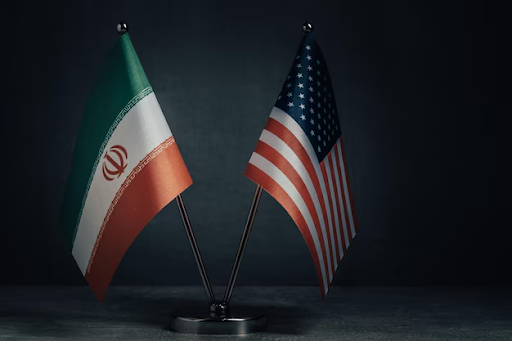
Iran-US Talks: Khamenei’s Dual Message — Military Threats and Nuclear Diplomacy in Tandem
Picture Credit: www.freepik.com
28