
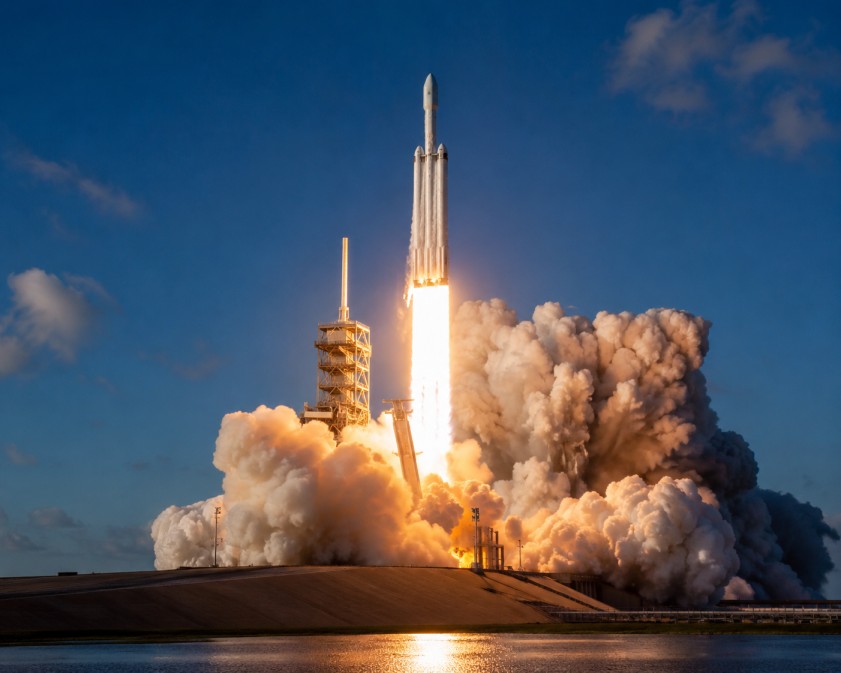
China has achieved a significant milestone with the successful launch of the Shenzhou-23 mission, sending a trio of astronauts to the Tiangong space station as part of its ambitious goal to land humans on the moon by the year 2030. The Long March 2-F rocket took off from the Jiuquan Satellite Launch Center, carrying astronauts Lai Ka-ying, Zhu Yangzhu, and Zhang Zhiyuan. This mission is particularly noteworthy as it includes the first astronaut from Hong Kong to venture into space.
During their time aboard the Tiangong space station, the crew will engage in scientific research spanning various fields such as life sciences, medicine, fluid physics, and materials science. Notably, one astronaut will remain in orbit for an entire year, marking China’s longest human space mission to date. This extended duration aims to provide valuable insights into the long-term effects of microgravity on the human body, including issues like bone loss, muscle weakening, radiation exposure, and psychological stress, which are crucial for the nation’s future lunar and deep-space endeavors.
The Tiangong space station has previously accommodated astronauts for six-month stints, but this mission signifies a major leap towards long-duration space travel. As part of its broader space exploration strategy, Beijing is also developing the new Mengzhou spacecraft, intended to replace the current Shenzhou system and support lunar exploration efforts.
China’s space program has rapidly evolved over the past thirty years with substantial investments, aiming to establish the initial phase of its International Lunar Research Station by 2035. This comes after the nation has already made impressive strides such as landing a rover on Mars and positioning a probe on the moon’s far side. These developments highlight China’s growing capabilities in space and its positioning as a formidable contender in the global space exploration arena.