
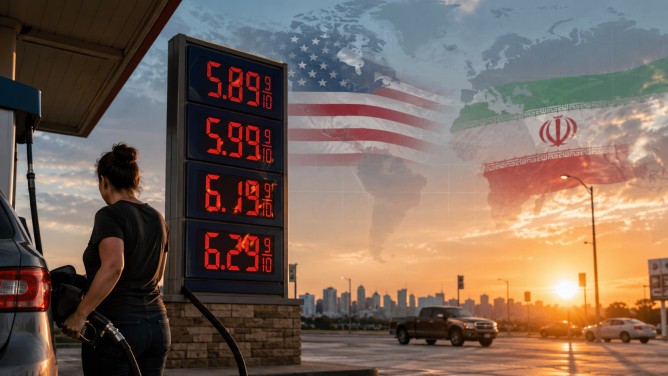
Gasoline prices in the United States have surged to record levels for August as diplomatic talks with Iran have hit a standstill, and ongoing tensions in the Strait of Hormuz pose a threat to global energy stability. The national average for gasoline has climbed to $4.06 per gallon, marking an increase of about 5 cents from the previous week and approximately $1 higher than the same period last year. In states like California and Hawaii, the averages have soared to around $5.50 per gallon.
Persistently high oil prices have been a consequence of the US-Israel conflict with Iran, especially following disruptions in the Strait of Hormuz, a critical passage for global oil transport. Brent crude oil prices recently peaked at $112 a barrel before easing slightly, yet they remain significantly elevated compared to a year ago. Although gasoline prices saw a brief decline due to interim agreements that temporarily alleviated tensions between the US and Iran, they have begun to climb again as diplomatic efforts have faltered, raising fears of a prolonged conflict.
Fuel costs have surged following the failure of the United States and Iran to reach a consensus on Iran’s nuclear program within a designated 60-day negotiation period. Compounding these concerns, President Trump has issued new threats against Oman, further heightening anxieties about potential regional escalation.
This rise in fuel prices is exerting additional financial strain on American households, which are already grappling with high living expenses. Over the last six months, Americans have reportedly spent tens of billions more on gasoline than they would have before the conflict erupted. The sustained increase in fuel prices could potentially trigger renewed inflationary pressures if energy costs remain elevated over a longer duration.