
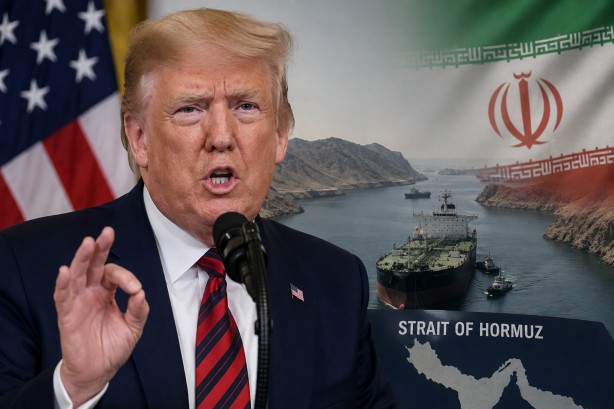
Iran has issued a stern warning to Gulf states, indicating that any fresh military actions by the United States targeting its territory would provoke retaliatory measures against major energy infrastructure throughout the Gulf region. This warning was conveyed during discussions involving Iranian Foreign Minister Abbas Araqchi and senior officials from countries including Saudi Arabia, Qatar, Turkey, and Pakistan. The conversations aimed to rally regional allies to persuade Washington against further military engagement, emphasizing that any aggression towards Iran would be met with strikes on both US assets and crucial energy facilities in the area.
The backdrop to Iran’s warning is the recent threat by US President Donald Trump, who suggested targeting Iran’s energy infrastructure. In response, Iran has maintained that while diplomacy is its preferred route, it stands ready to retaliate if faced with an attack. Saudi Arabia has communicated a desire for the US to focus on negotiations to prevent an escalation, yet it has also made clear its intention to defend itself against potential threats to its own territory.
Iran’s potential targets in the event of a US military strike encompass oil facilities, refineries, power grids, water infrastructure, transport networks, and oil fields. This position underscores the mounting apprehension that renewed hostilities could severely disrupt energy supplies from the Gulf and contribute to increased instability in the region.
Amid these tensions, leaders across the region continue to advocate for diplomatic solutions to avert a broader conflict. Such a conflict could have significant repercussions for global energy markets, highlighting the critical importance of maintaining stability and avoiding actions that could lead to widespread disruptions.